
Pastels and Chalks
Pastels and chalks — from soft backgrounds to expressive drawing
Soft color transitions, rich strokes and fine details. Pastels and chalks offer different ways to bring color to paper — from a gently blended coloring-book background to a landscape, portrait or floral drawing in its own right.
Choose soft pastels for gentle transitions, oil pastels for a denser mark or watercolor pastels that can be dissolved with water according to the properties of the particular range. For more precise work, try pastel pencils, whose tips allow finer lines.
At Krajinka, you will find brands such as Sennelier, Faber-Castell, Caran d’Ache, Paul Rubens and Carioca. Discover smaller sets to try and larger palettes, and choose a material that suits the way you like to create.
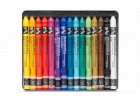
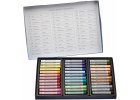
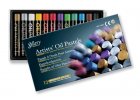
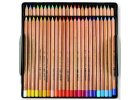



Product sorting
Brands
List of products

A set of art supplies for sketching, drawing, and other dry techniques.

Ergonomic metallic wax crayons.

Football-themed wax crayons for little athletes.

Soft and colourful wax crayons with butterfly design.

50th anniversary limited edition in a handcrafted wooden box.

School wax crayons for every backpack.

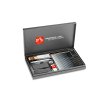
Luxury drawing and sketching set in an elegant gift box with Swiss quality.

Wonderful chalks in vivid shades, for drawing on the board or on the pavement.

Premium quality pastel pencils. Caran d’Ache dry pastels will make your artwork resonate with vivid color.

Pencils of the highest quality. Caran d’Ache dry pastels will make your artwork vibrate with vivid colors.

Mega set of wax crayons for a large family or school facility.

Wax crayons for schoolchildren at a great price.
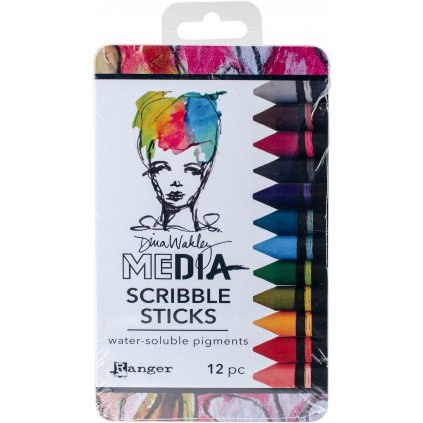
High-quality watercolor pastels, traditional Ranger brand from the USA.
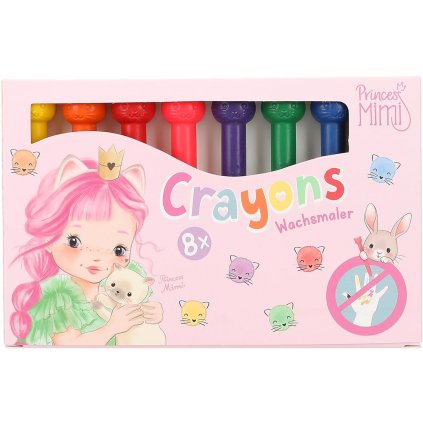
Jumbo crayons with cat heads (they also paint) are comfortable to hold in a small child's hand.
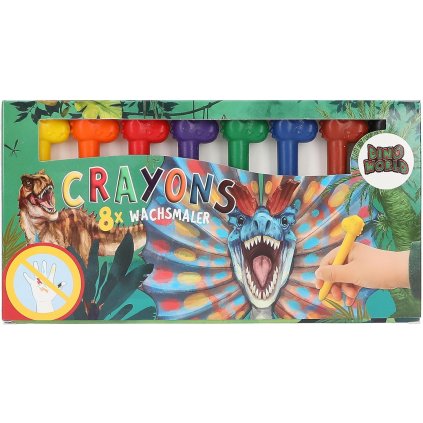
Jumbo crayons with dinosaur heads (they also paint) are comfortable to hold in a child's tiny hand.
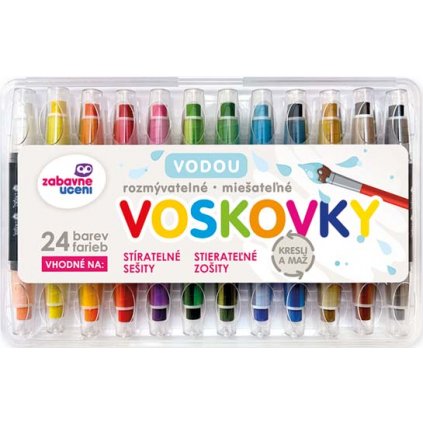
Watercolor pastels, suitable for children and adults.
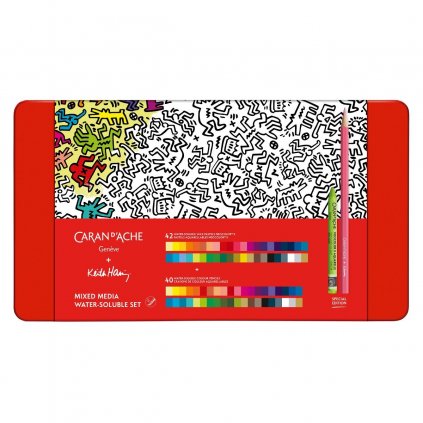
Gift edition of art supplies for watercolor painting, in the iconic Keith Haring design.

Pitt Monochrome, sada pro začínající i pokročilé umělce.

Popular oil pastels (wax pastels) in metallic shades with shine.
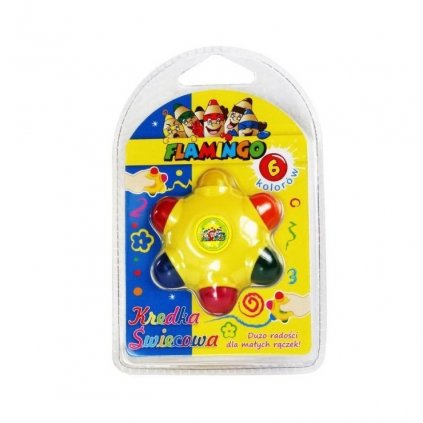
Colorful crayons placed in a plastic star, for easy grip for the smallest children.
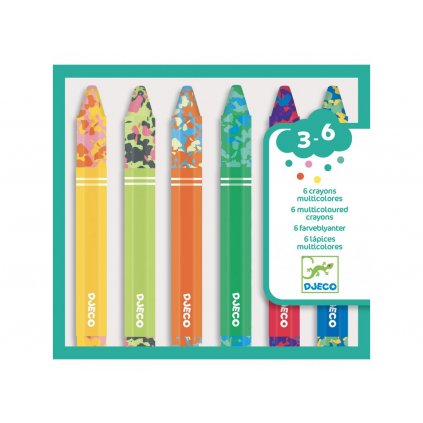
Crayons with multi-colored, rainbow shades in a jumbo version, for easy grip by a child's hand.
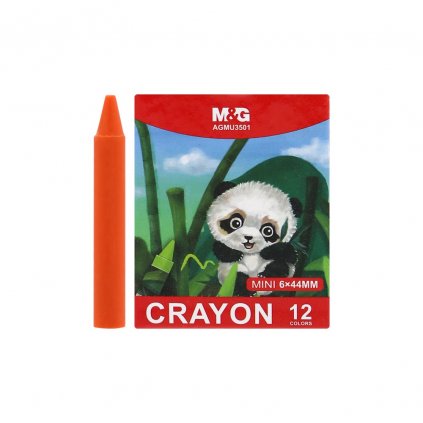
Mini wax crayons, as a gift with your order.
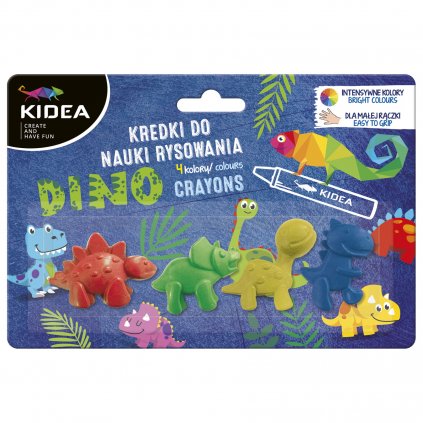
Cheerful dinosaur crayons for a small child's hand.
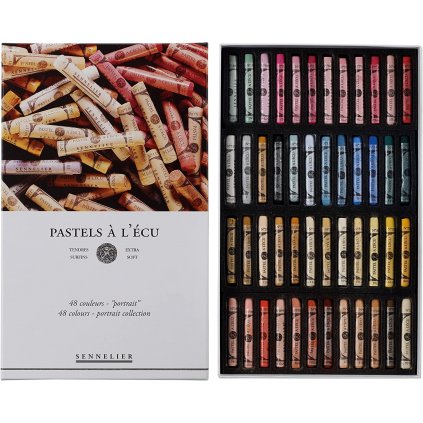
Top quality, handmade, dry pastels in a portrait set.
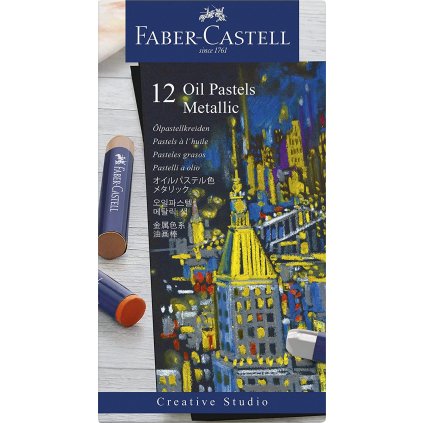
Metallic oil pastels on white and black paper.

A magical set of pearlescent oil pastels in a gift box.
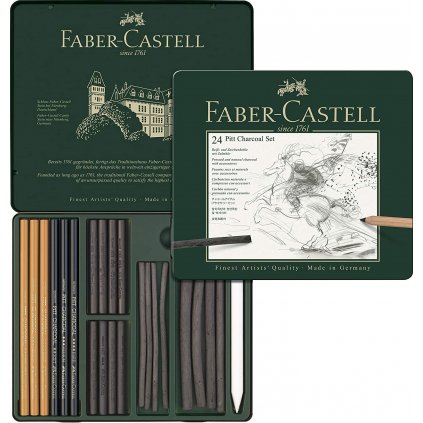
For all draftsmen who like to work with quality products.
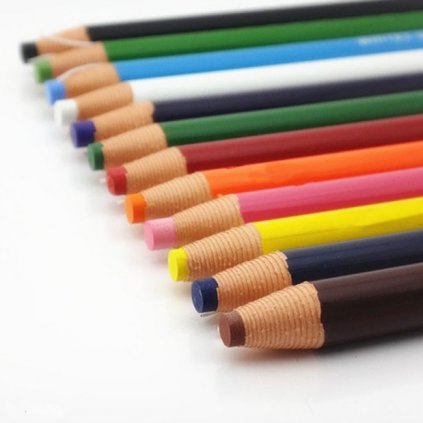
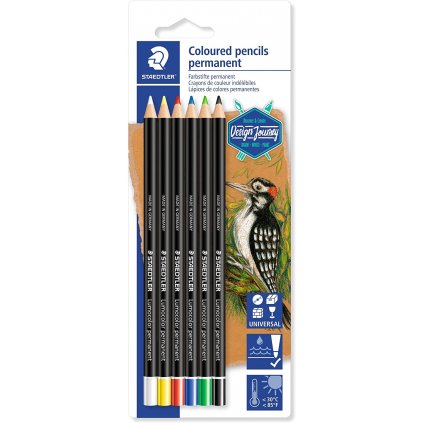
Unique crayons that draw on a variety of surfaces, including stone.
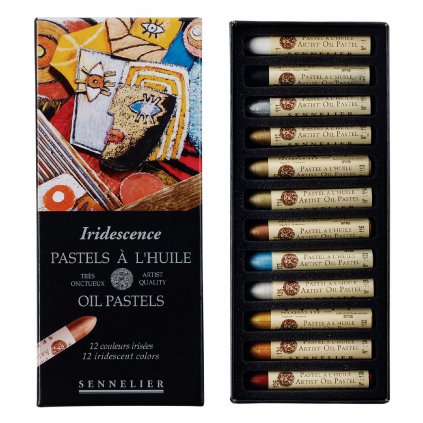
Metallic oil pastels with dazzling shine in twelve perfect shades.
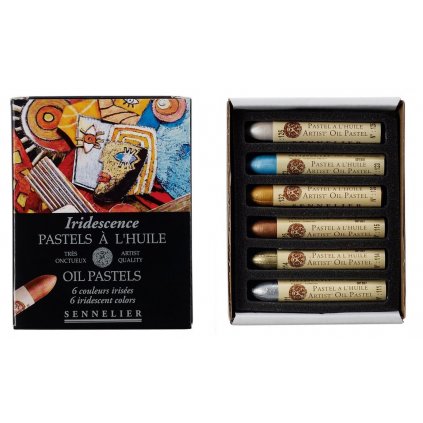
Metallic oil pastels with a dazzling shine.
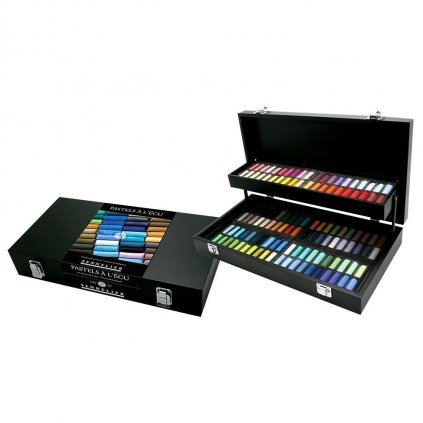
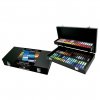
High-quality, handmade, dry pastels in a wooden case.
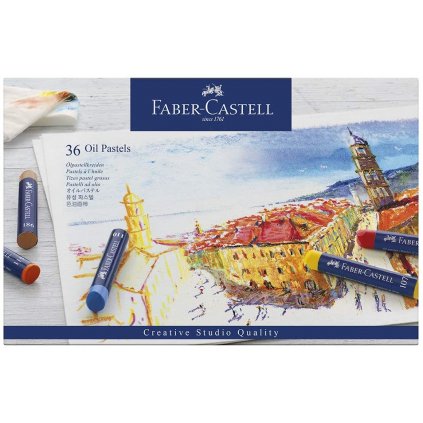
Great quality oil pastels at a great price.

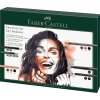
A gift set for drawing that will delight the heart of both a beginner and an advanced artist.
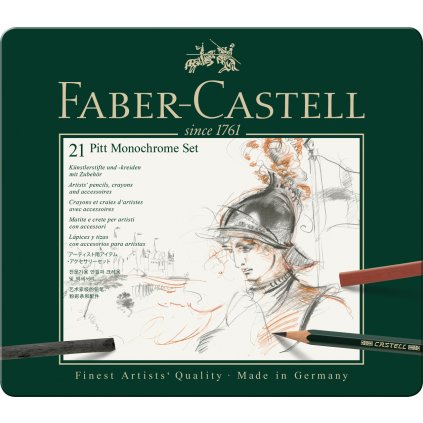
A great sketching set for all avid draftsmen.

A gift set for drawing that will delight the heart of both a beginner and an advanced artist.
Paint and play, the washable pastels themselves encourage you to do so.

Suchý pastel v tužce v zářivých odstínech.

Olejové šroubovací pastely pro snadné a čisté malování.

Metallic sticks for a dazzling shine to your drawings. Try out a little different tempera paints.

Soft chalks in professional quality, enjoy all the color shades of half pastels.
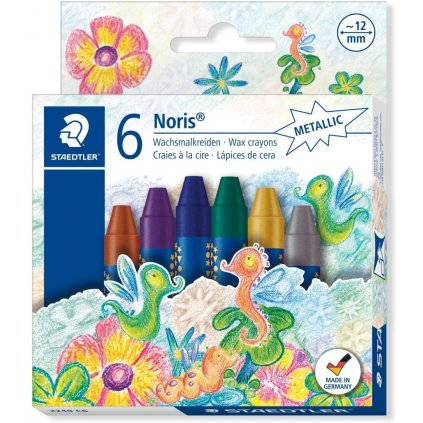
Add a metallic effect to your image. Staedtler crayons stand out on both black and white paper.
Listing controls
How to choose pastels for drawing and coloring
Soft pastels for gentle transitions
Soft pastels let you apply color directly to paper and, depending on their properties, blend or layer it. They suit both standalone pastel drawings and soft picture backgrounds. Softer and harder dry pastels behave differently; choose according to the mark you want and the amount of detail.
Oil pastels for a bolder mark
Oil pastels leave a denser mark and offer a different way of applying and mixing color from dry pastels. Use them for expressive areas of color, drawing and experimenting with layers. Not all can be dissolved with water — check this property for the particular product.
Watercolor pastels combine drawing and painting
Water-soluble pastels can be used dry or worked with a damp brush to create softer transitions and painted areas. For wet techniques, choose suitable watercolor paper and adjust the amount of water to its properties.
Pastel pencils for details
The wooden casing makes the pencil easier to hold and protects the pastel core. A sharpened tip is useful for outlines, small motifs and portrait details. Follow the manufacturer’s sharpening advice — a soft pastel core can be more fragile than the core of a regular colored pencil.
Paper affects layering and the finished appearance
For dry pastels, choose paper intended for the technique, with a surface that can hold the pigment. Oil and watercolor pastels may need a different surface. When using them in coloring books, first test adhesion, blending and any transfer in an inconspicuous area.
Protect the finished picture according to the pastel type
Dry pastel drawings can remain sensitive to touch. Choose any fixative according to the material used and first test it on a sample — it can alter the shade and appearance of the surface. A product intended for dry pastels is not automatically suitable for oil pastels.