
Watercolor Paints
Watercolor paints — let water bring shades to life
A drop of water, a touch of the brush and color that becomes a delicate wash or a bold mark on paper. Watercolor paints invite you to paint flowers, landscapes and small illustrations, or simply explore color transitions. Start with a few shades and gradually discover what water, paper and your imagination can do.
At Krajinka, you will find artist watercolors for developing your painting skills and school watercolor paints for children's creativity. Alongside classic shades, try pastel and metallic sets that give pictures a different mood and interesting highlights.
Choose paints for your first attempts, a return to a favorite hobby or your next art project. Watercolor does not have to be perfectly predictable — unexpected blends are often part of its charm.

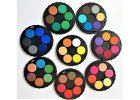
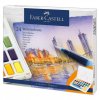


Product sorting
Brands
List of products

Well pigmented watercolors at a great price.
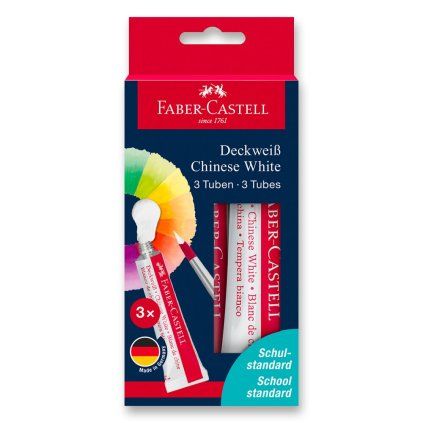
There is never enough glitter!
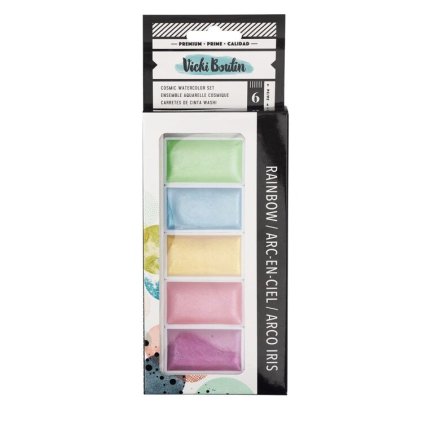
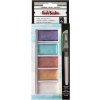
Metallic colors for a shiny look in your coloring books. A generous dose of pearlescent from Gansai Tambi.
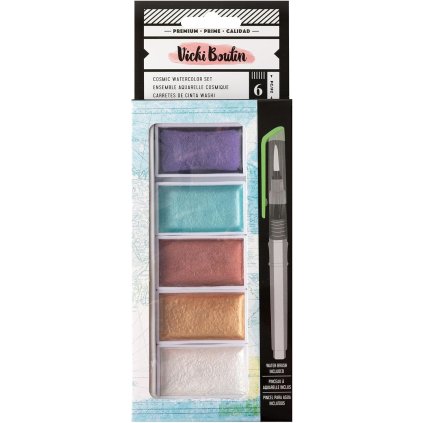
Metallic colors for a shiny look in your coloring books. A generous dose of pearlescent from Gansai Tambi.
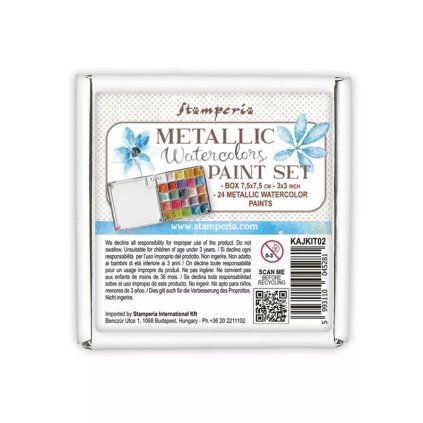
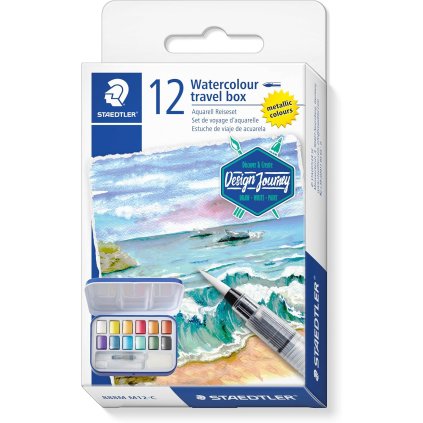
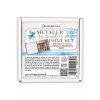
Umělecké akvarelové barvy v metalických a perleťových odstínech, za super cenu.
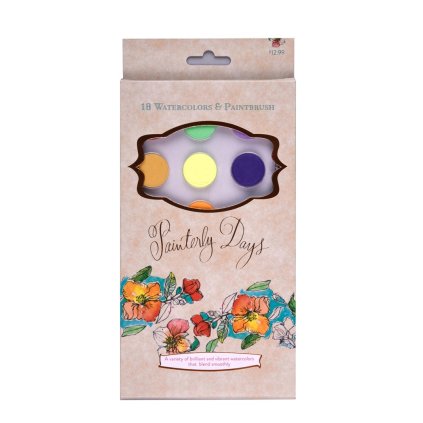
Kvalitní vodové barvy s intenzivními pigmenty pro veselé obrázky.

Watercolour paints for football fans.

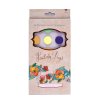
Watercolour paints in a gentle design.

Well pigmented watercolors at a great price.

Legendary Japanese watercolors with metallic shades.

Affordable and high-quality watercolor paints.

High-quality watercolors from France with many shades and intense pigmentation.

High-quality watercolors from France with many shades and intense pigmentation.

High-quality watercolors from France with many shades and intense pigmentation.
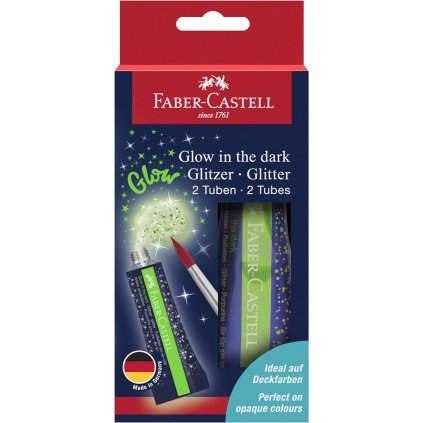
Glow in the dark!
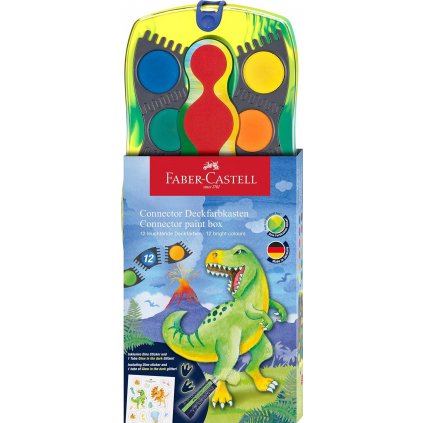
Popular watercolors in vibrant shades, in a limited edition dinosaur with neon color in a tube.

Watercolor paints in a mini compact travel pack.
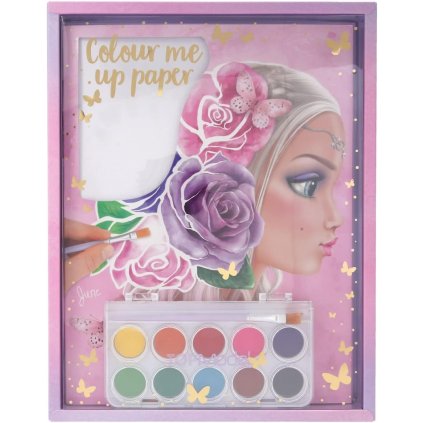
A great set with watercolor paints, a brush and drawings for finishing.
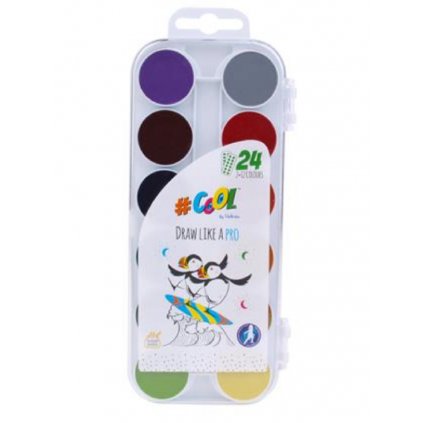
Well pigmented watercolors at a great price.
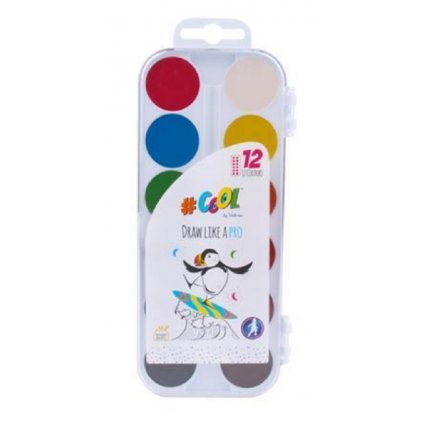
Well pigmented watercolors at a great price.
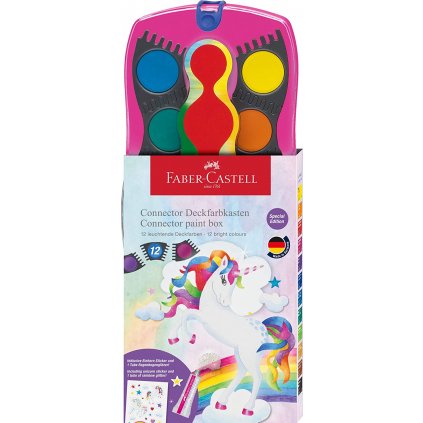
Popular watercolors in vibrant shades, in a limited edition unicorn with glitter paint in a tube.
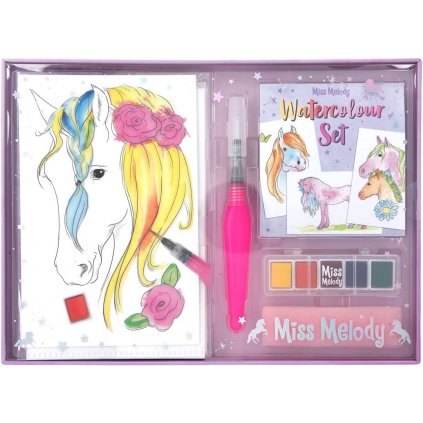
A great set with watercolor paints, a brush and horse drawings for finishing.
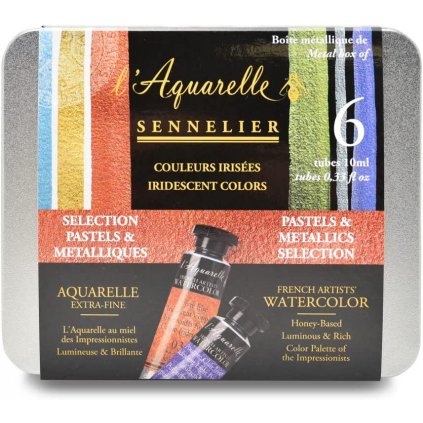
Masterpiece watercolor paints in a tube, in perfect metallic shades.
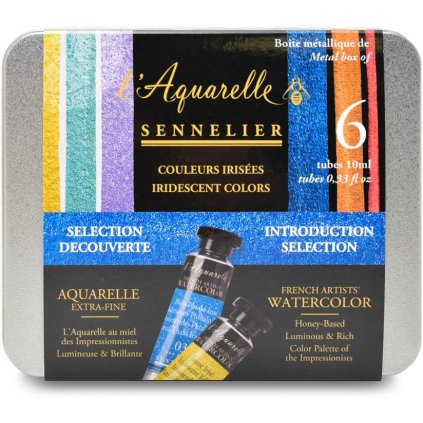
Masterpiece watercolor paints in a tube, in perfect metallic shades.
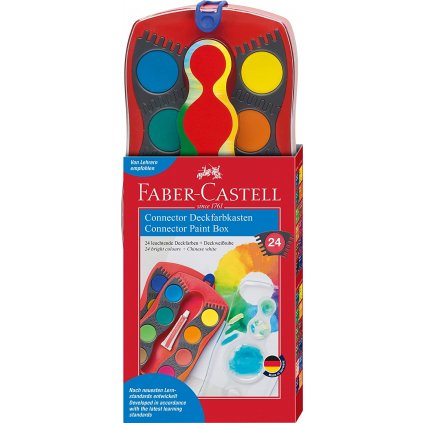
High-quality watercolors with interchangeable colors.
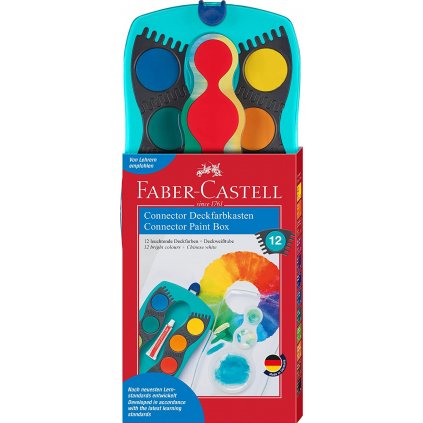
High-quality watercolors with interchangeable colors.
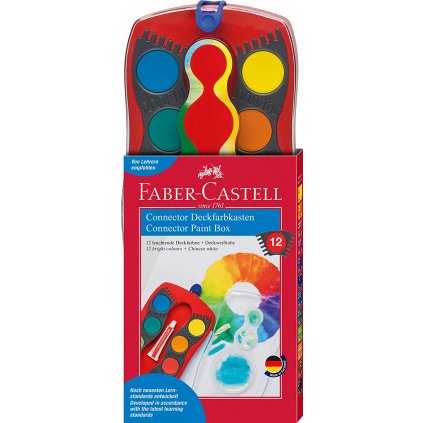
High-quality watercolors with interchangeable colors.

Put together your own fabulous palette of your favorite watercolor shades.


Put together your own fabulous palette of your favorite watercolor shades.

Watercolors with many shades at a good price.
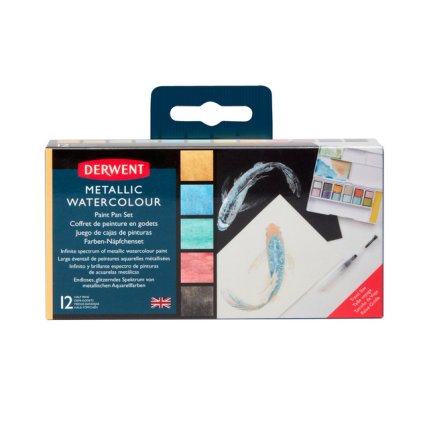
Popular metallic shades from Derwent in a convenient watercolor format in pans.
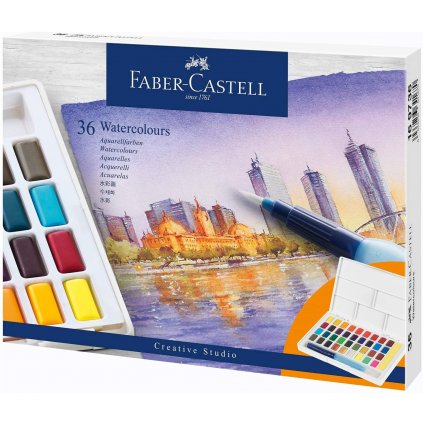
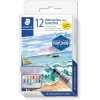
High-quality watercolor paints from Germany at a great price.
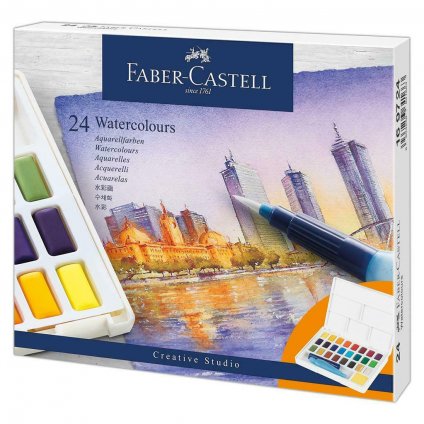
High-quality watercolor paints from Germany at a great price.

High-quality watercolor paints from Germany at a great price.
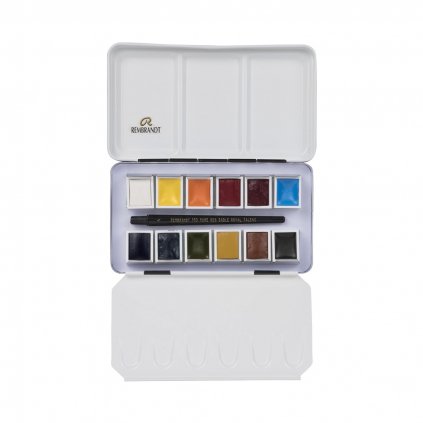
The highest range of watercolor paints.

Great quality watercolor paints at a great price.

Watercolor paints of great quality.

Watercolor paints of great quality.
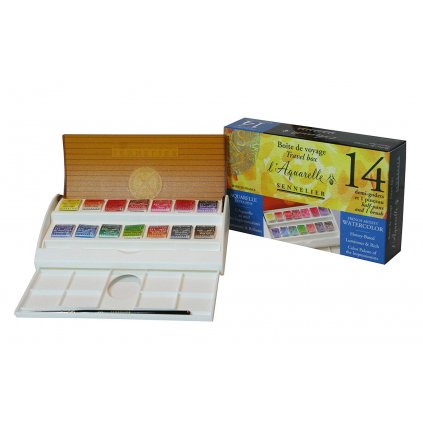
High-quality watercolor paints in a practical travel package.
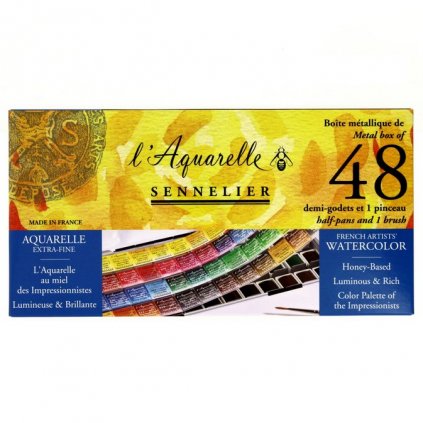
Highest quality watercolor paints from France.
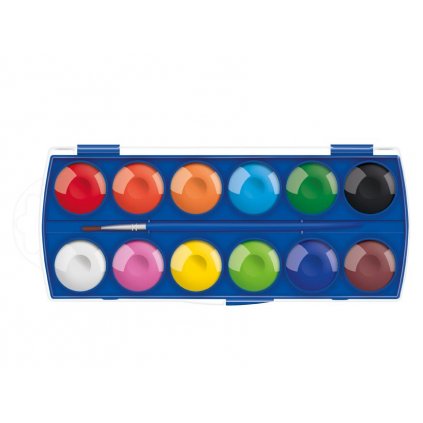
Great watercolors at a great price.

High-quality watercolors from Germany with strong pigmentation.

Pastel colors to brighten up your coloring books. A good dose of pearlescent from Gansai Tambi.

High-quality watercolors with intense pigments. Try out watercolor painting in coloring books.

High-quality watercolors with intense pigments. Try out watercolor painting in coloring books.
Listing controls
How to choose watercolor paints and start painting
Artist watercolors or school watercolor paints?
School watercolor paints are suitable for children's artwork and learning to mix shades. If you want to develop your watercolor technique more deliberately, explore artist watercolors. For each set, consider pigmentation, transparency, rewetting properties and lightfastness, where stated by the manufacturer. Properties may vary between ranges and individual shades.
Classic, pastel and metallic shades
A classic palette lets you explore color mixing and create your own shades. Pastel sets offer softer colors, while metallic paints add shimmering details. Their appearance may change with the surface and the angle of the light. Transparency and opacity always depend on the particular paints.
Paper is just as important as paint
For techniques using more water, choose watercolor paper. It tolerates wetting better than ordinary office paper, though it can still buckle during painting. Its composition, weight and surface affect the result. If you want to use watercolor in a coloring book, first check that the paper is suitable and test the paint in an inconspicuous area.
The amount of water changes the mark
More water usually creates a lighter, more translucent wash, while more concentrated paint gives a stronger shade. Colors spread more easily on damp paper; on dry paper, you have greater control over edges and fine details. Before adding another layer, allow the surface to dry as needed for the effect you want.
A thoughtfully chosen smaller set is enough to begin
A few basic colors, a suitable brush and paper open up plenty of possibilities. A water brush can also be handy. If you enjoy combining drawing and painting, try watercolor pencils — you can then dissolve the drawn marks with a damp brush.