
Soft Pastels
Soft pastels for gentle transitions and color without a brush
A light haze of color, a bold line or a velvety-looking area. Dry pastels let you draw directly on paper, work with the edge or broad side of the stick and, depending on the material, blend or layer colors. Use them for portraits, landscapes, still lifes and coloring-book backgrounds.
At Krajinka, you will find, for example, Sennelier soft pastels and Faber-Castell Creative Studio dry pastels. The selection also includes art sets for combining dry techniques — always check the individual product for its exact contents.
Choose a palette to suit the subjects you enjoy drawing. Delicate skin tones are useful for portraits, earthy shades for landscapes and a more varied selection for freely exploring color combinations.





Product sorting
Brands
List of products

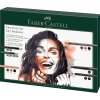
A set of art supplies for sketching, drawing, and other dry techniques.

Luxury drawing and sketching set in an elegant gift box with Swiss quality.

Wonderful chalks in vivid shades, for drawing on the board or on the pavement.

Pitt Monochrome, sada pro začínající i pokročilé umělce.
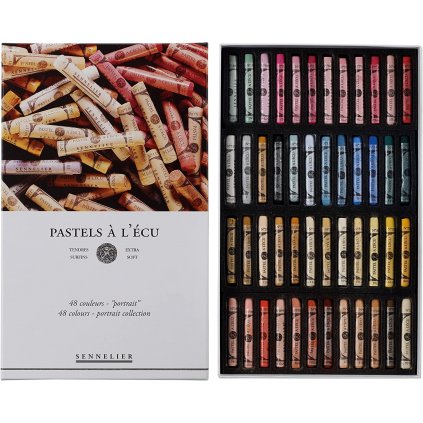
Top quality, handmade, dry pastels in a portrait set.
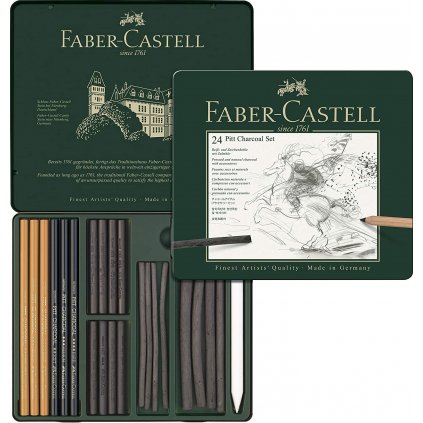
For all draftsmen who like to work with quality products.
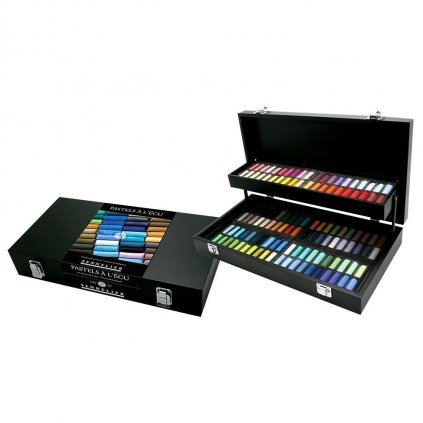
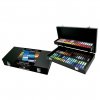
High-quality, handmade, dry pastels in a wooden case.

A gift set for drawing that will delight the heart of both a beginner and an advanced artist.
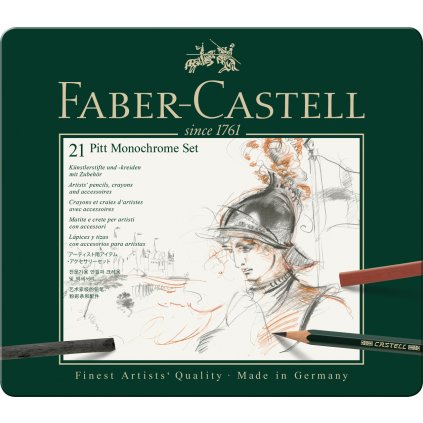
A great sketching set for all avid draftsmen.

A gift set for drawing that will delight the heart of both a beginner and an advanced artist.

Soft chalks in professional quality, enjoy all the color shades of half pastels.
Listing controls
How to start drawing with dry pastels
Pastel softness affects the way you work
Softer pastels generally release pigment more easily and allow rich areas of color. Firmer pastels may be better suited to precise strokes and the initial drawing. Properties vary by range; the term “dry pastel” alone does not determine hardness.
Choose paper that holds the pigment
For pastel drawing, choose paper intended for dry pastels. Its surface affects pigment adhesion, the visible texture of the drawing and layering possibilities. Color may adhere less well to very smooth paper. A colored surface can become part of the picture and contribute to the final palette.
Alternate drawing, blending and layering
Use the edge of a pastel for narrower strokes and the broad side to cover a larger area. Depending on the material and paper, color can be gently blended with a blending stump or a suitable applicator. You do not have to blend the whole picture — alternating soft transitions with distinct strokes can add interesting texture.
Test soft coloring-book backgrounds first
Dry pastels can create a light background of color. Start with a small amount and check how the paper accepts it and whether the pigment transfers to the opposite page. For fine details, you can complement the drawing with pastel pencils.
Protect the finished drawing from rubbing
Dry pastel pigment can remain sensitive to touch. Choose any fixative specifically for this technique and first test it on a sample of the same paper — it may affect the shades and appearance of the drawing. When framing, keep the picture surface separated from the glass, for example with a suitable mount.